

The word parer refers to a person or tool used to trim, peel, or remove unwanted outer layers, especially from fruits and vegetables. Its meaning becomes more interesting when we explore its origin, pronunciation, and use in different contexts. In this guide, you’ll learn the definition of parer, its word history, and simple real-life examples to understand how it is used in English and French.
What Does Parer Mean?
Some English words are rarely used in everyday conversation but still have a clear place in the language. Parer is one of them. You may encounter it while reading a dictionary, following a cooking recipe, or exploring the history of English vocabulary.
The meaning of parer depends on its context. In English, it generally refers to a person or tool that pares something, especially by trimming or removing its outer layer. In French, parer is a verb with several meanings, including to prepare, adorn, or protect, depending on the situation.
Understanding the word is easier when you look at its origin, grammatical form, and practical uses. This guide explains the parer meaning in simple English, with examples that show how the word works in real life.
LEARN MORE : https://grammarlike.com/gs-meaning-in-text/
Parer Meaning: A Quick Answer
A parer is generally a person or tool that removes the outer layer or unwanted parts of something by cutting or trimming. In a kitchen, a parer may refer to a small knife used to peel fruit and vegetables.
The word is related to the verb pare, which means to cut away a thin outer layer or reduce something gradually.
Quick example: “She used a parer to remove the thin skin from the apple.”
In French, parer is a verb rather than an English noun and can mean to prepare, decorate, ward off, or parry, depending on the context.
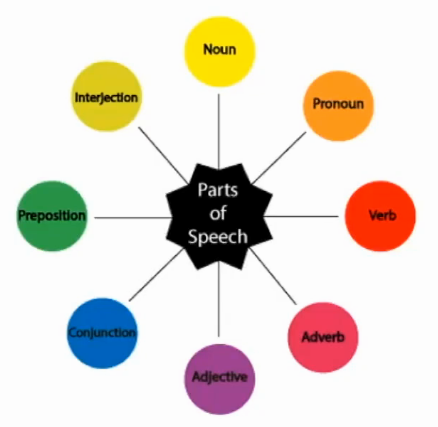
Definition of Parer and Its Parts of Speech
To understand the definition of parer, it helps to distinguish the English noun from the French verb.
Parer as an English noun
In English, parer is a noun formed from the verb pare. It describes someone or something that performs the action of paring. A kitchen parer is commonly associated with a small, sharp knife designed for precise peeling and trimming.
For example, a cook might use a parer to remove blemishes from a potato or trim the skin from a pear.
Parer as a French verb
In French, parer is an infinitive verb. Its meaning changes with context and may include preparing, adorning, protecting, or warding off an attack.
For instance, in a fencing context, a form of the French verb can describe deflecting an opponent’s attack.
These distinctions matter because a word’s meaning is not always the same across languages. When researching English word definitions, always consider the language and sentence in which the word appears.
Parer versus pare
Pare is the base English verb, while parer is the noun for a person or implement that pares.
- Pare: “Please pare the apple before serving it.”
- Parer: “The cook reached for a parer to peel the apple.”
The words are closely related, but they do different grammatical jobs.Writing
Parer Word Origin and Etymology
The English word parer comes from pare, a verb meaning to trim, peel, or cut away an outer layer. The verb has historical connections to Old French parer, which carried meanings associated with preparing, arranging, or making something ready.
The French verb, in turn, is linked to Latin parare, meaning “to prepare” or “make ready.” This connection helps explain why related forms developed different meanings in English and French.
Over time, English retained pare for the action of trimming or removing a thin layer. The noun parer followed the familiar English pattern of adding -er to a verb to identify the person or thing that performs an action.
This is a common feature of English vocabulary. Words such as baker, painter, and opener follow a similar pattern, although the exact history of each word differs.
Parer Pronunciation and Correct Usage
The English pronunciation of parer is commonly represented as PAIR-er, with the first syllable stressed. Pronunciation can vary slightly by accent.
Is parer a noun or a verb?
In English, parer is a noun. The related verb is pare. In French, parer is an infinitive verb.
Recognizing the language and grammatical role helps prevent confusion when you encounter the word in a dictionary or sentence.
How to use parer in a sentence
Here are some natural examples:
- “The chef picked up a parer to remove the damaged skin from the potato.”
- “A sharp parer makes it easier to trim small pieces of fruit.”
- “She used the parer carefully to remove the apple’s peel.”
These examples illustrate the English noun. When writing about the action itself, use pare instead: “He will pare the skin from the fruit.”
Parer Uses in Everyday Life
Although parer is not a common word in casual conversation, its practical meaning is easy to recognize.
In cooking and food preparation
A parer may refer to a small knife used for peeling, trimming, and shaping fruit or vegetables. Its compact blade helps with detailed work that may be awkward with a larger kitchen knife.
For example, someone preparing apples for a pie might use a parer to remove the skin and cut away bruised areas.
In language and literature
Readers may encounter parer in older texts, specialized writing, or vocabulary references. Its value in these settings lies in its precise meaning rather than its frequency.
In French expressions and contexts
French parer appears in contexts involving preparation, decoration, defense, or the deflection of an attack. The surrounding words determine the intended meaning, so a direct translation is not always sufficient.
Parer Synonyms, Related Words, and Examples
Synonyms depend on how the word is being used. Since parer is a relatively uncommon English noun, some alternatives describe the tool or action rather than serving as exact replacements.
| Word | Meaning | Example |
|---|---|---|
| Peeler | A tool for removing skin | “She used a peeler on the carrots.” |
| Paring knife | A small knife for precise cutting | “He trimmed the pear with a paring knife.” |
| Trimmer | A person or tool that trims | “The trimmer removed the uneven edges.” |
| Pare | To cut away a thin layer | “Pare the skin from the fruit.” |
| Peel | To remove an outer covering | “Peel the potato before cooking.” |
What are the antonyms of parer?
There is no widely accepted direct antonym for the English noun parer. The word describes a person or tool, not an action with a simple opposite.
Depending on the intended contrast, words such as coater, coverer, or wrapper may describe an opposite type of action, but they are not true dictionary antonyms.
Frequently Asked Questions About Parer
What does the word parer mean?
In English, a parer is a person or tool that pares something by trimming or cutting away an outer layer. It can refer to a small kitchen knife.
What is the definition of parer?
The definition of parer is a person or implement that performs the action of paring. The precise meaning depends on the context.
Where does the word parer come from?
The English noun comes from pare. The related French verb parer has historical connections to Latin parare, meaning to prepare or make ready.
Is parer a commonly used English word?
No. It is relatively uncommon in everyday English. People are more likely to say paring knife, peeler, or simply knife when discussing kitchen tools.
What is a parer used for in the kitchen?
A kitchen parer is used for precise tasks such as peeling fruit, trimming vegetables, and removing small blemishes.
What is the plural of parer?
The regular English plural is parers.
What is the difference between pare and parer?
Pare is a verb meaning to trim or remove a thin layer. Parer is a noun referring to a person or tool that performs that action.
How has the meaning of parer changed over time?
The English noun remains closely connected to the action of paring. The related French verb has a broader range of meanings, reflecting its own linguistic history and different uses across contexts.
Conclusion
The meaning of parer becomes straightforward once you identify the language and context. In English, it generally describes a person or tool that trims or removes an outer layer, while pare names the action. In French, parer is a verb with a broader range of meanings, including preparing, adorning, and warding off.
Although parer is not especially common in everyday English, it remains a useful word to recognize in dictionaries, cooking contexts, and language study. Learning its definition, origin, pronunciation, and examples gives you a clearer understanding of how English words develop and how related words can serve different grammatical purposes.
The key is simple: pay attention to context, distinguish the English noun from the French verb, and use the word where its meaning fits naturally.

